StakeClash
Real-time competitive gaming and decentralized wagering ecosystem

Reach
1K+ MAU
Revenue
$12K MRR
Performance
99 Lighthouse
Scale
200+ concurrent
The Problem
Lack of fair, low-latency infrastructure for skill-based gaming and micro-transactions — existing solutions suffered from session affinity problems under horizontal load and had no validated anti-cheat layer.
The Solution
Designed a stateless real-time sync layer using Redis pub/sub as the message broker between geographically distributed Node.js instances, chosen over a monolithic Socket.io setup to enable horizontal scaling without session stickiness. Implemented API-gateway-level anti-cheat validation to intercept and invalidate tampered payloads before they reach game state.
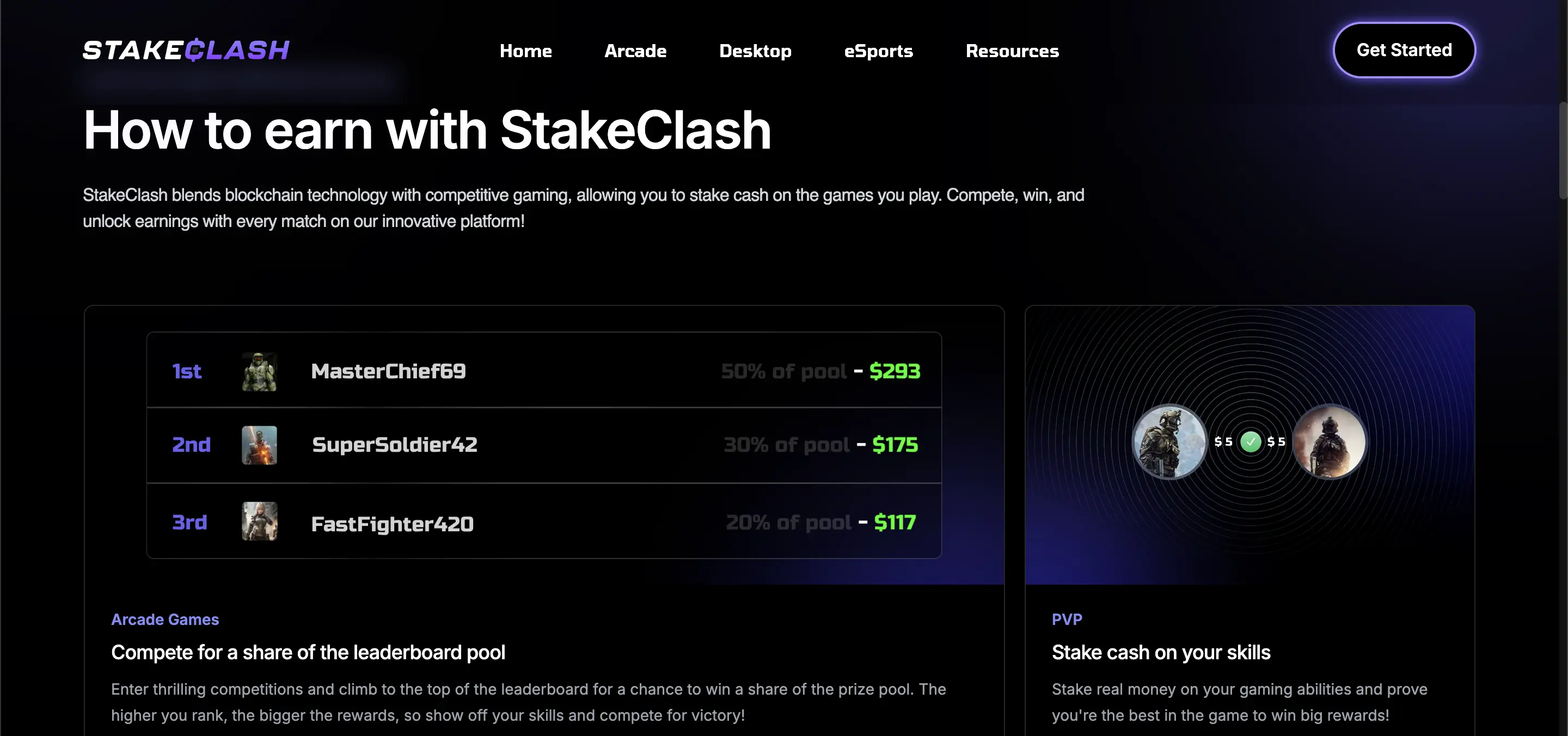
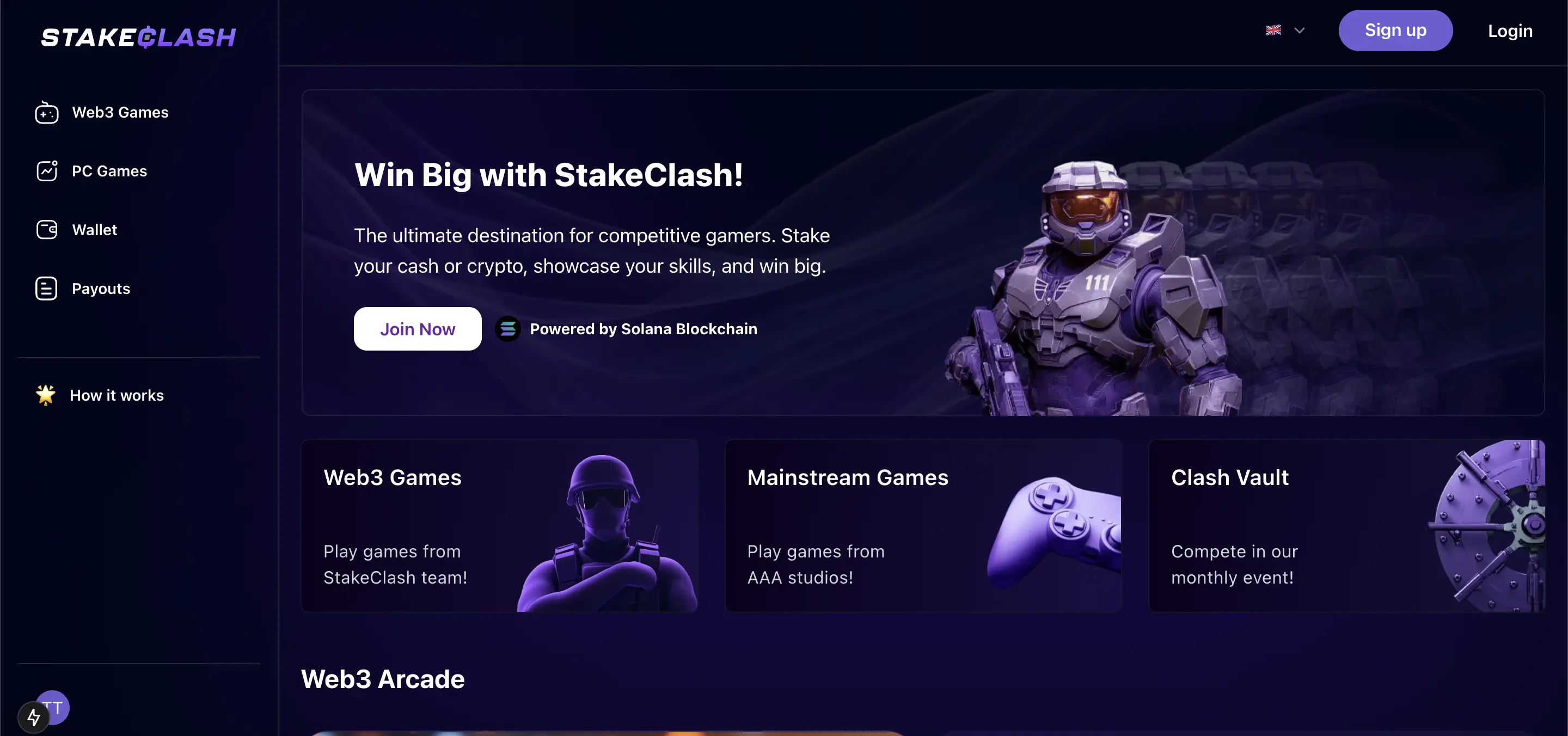
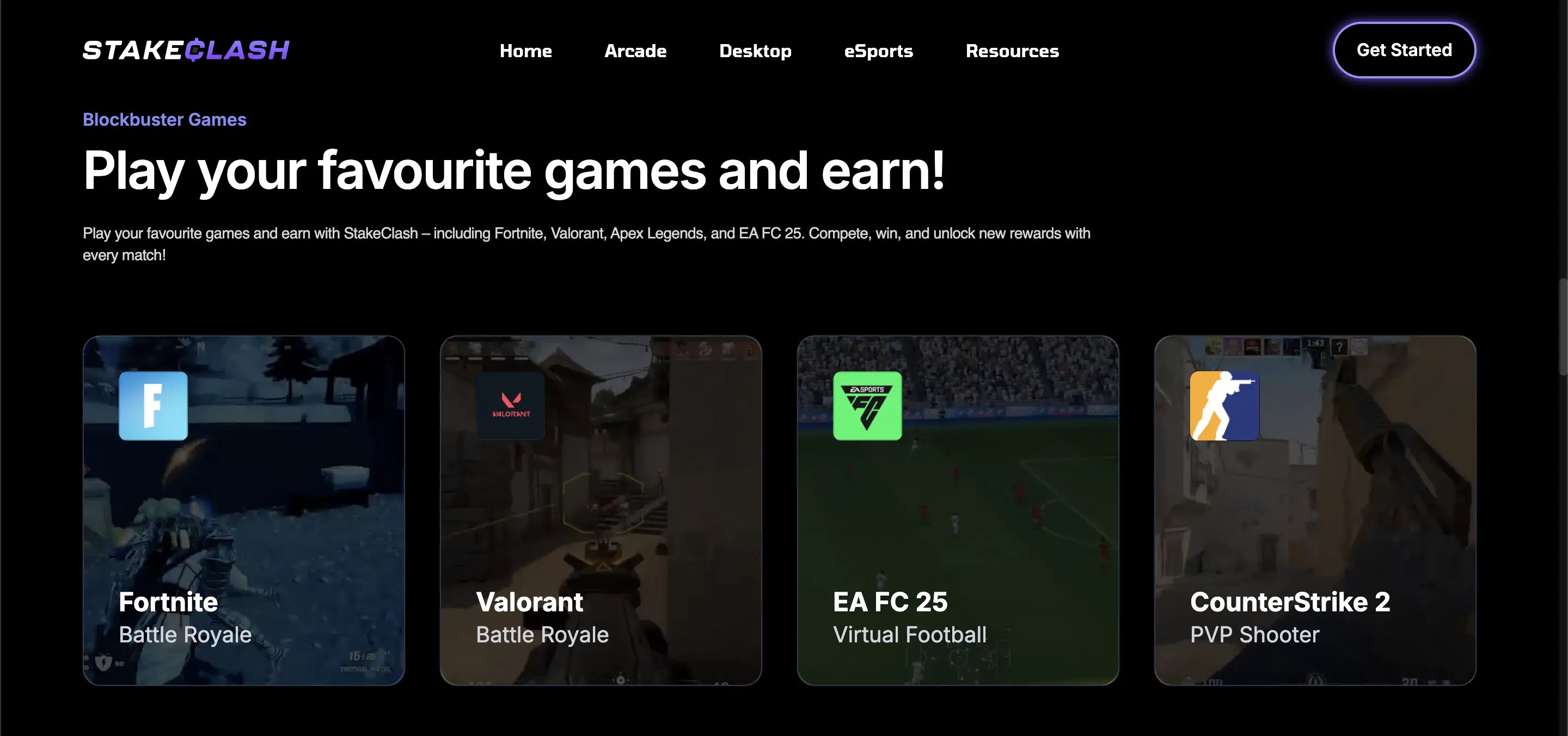
What it looks like.
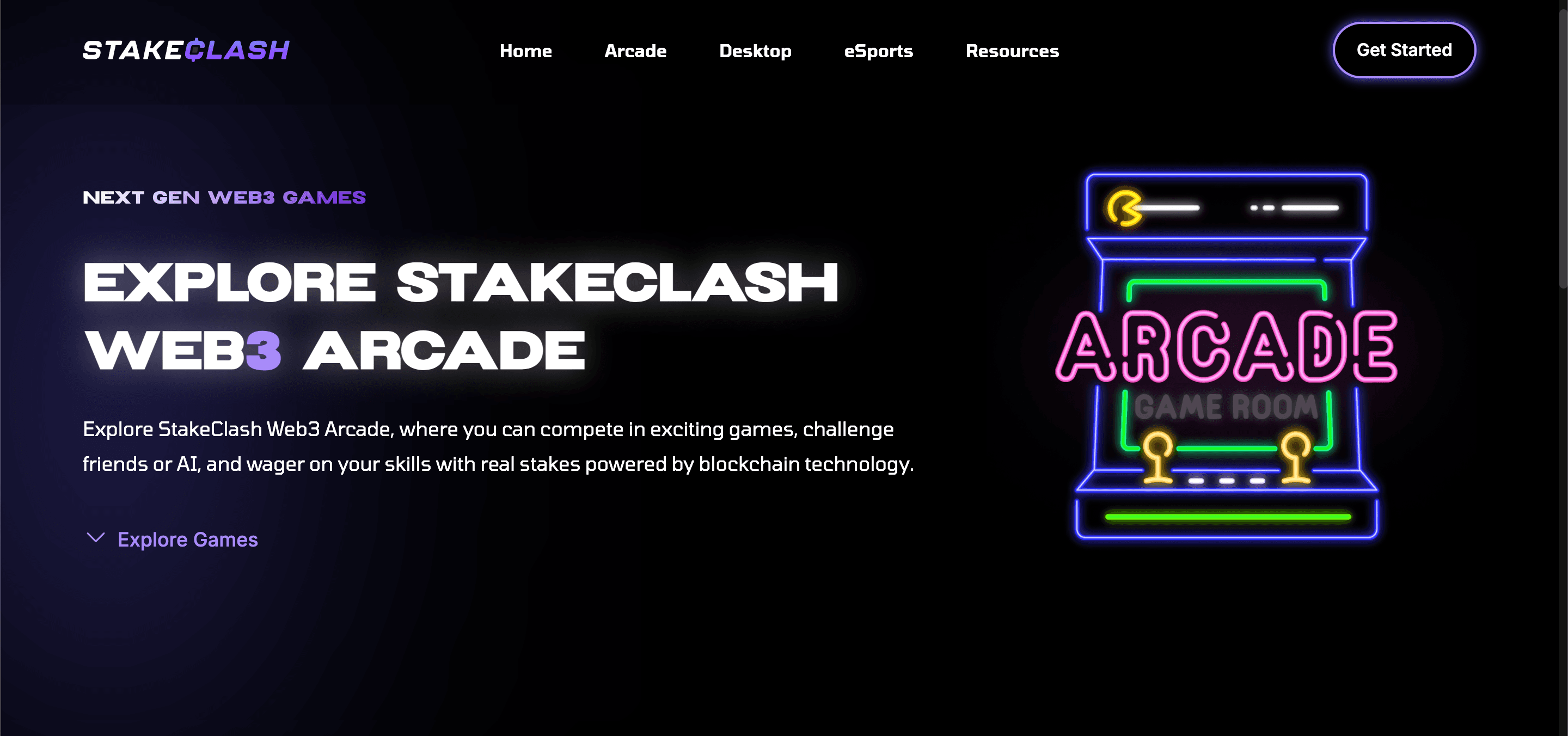
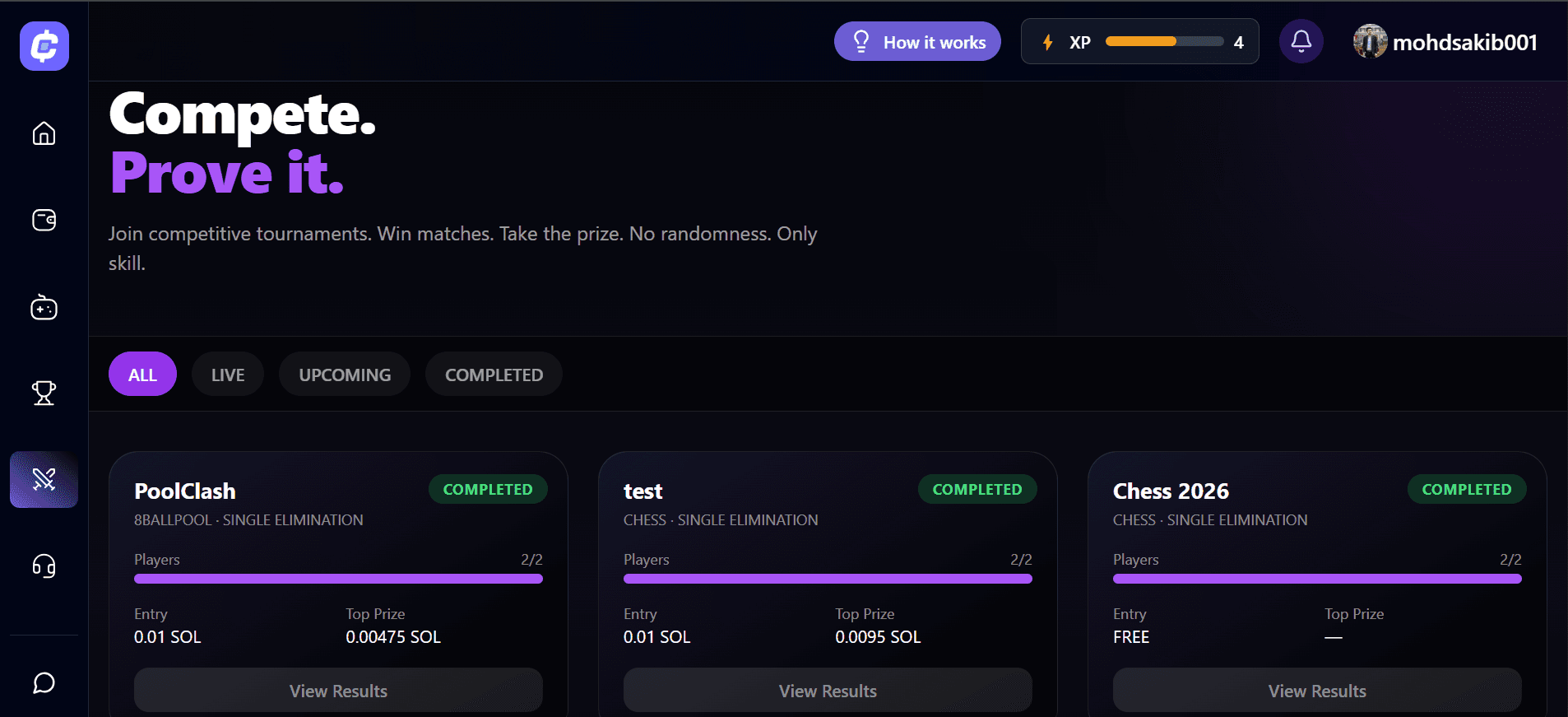
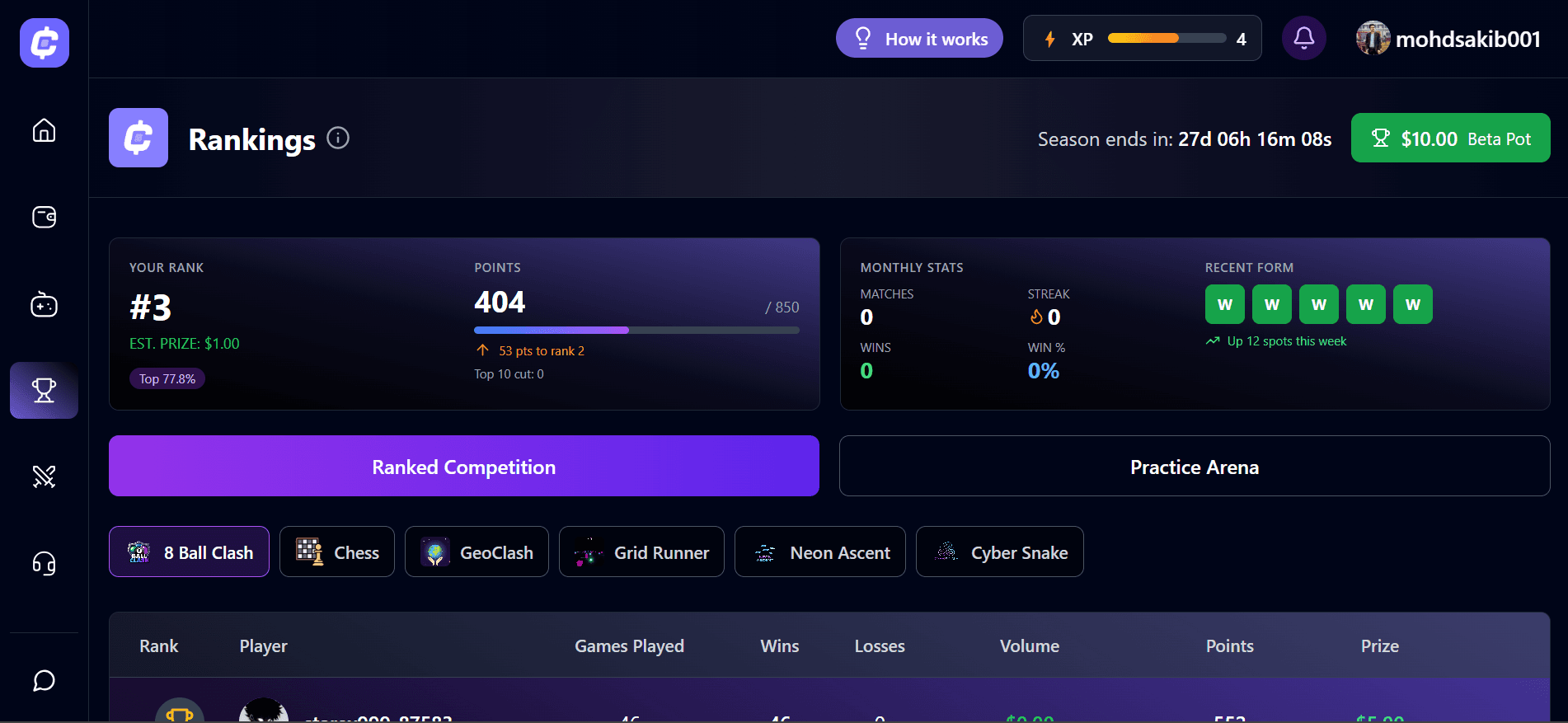
What it does.
Live Multiplayer Matches
Wallet Integration
Real-time Leaderboards
How it's built.
Frontend
Next.js & React Native
Backend
Node.js (Express) & Redis
Realtime
Socket.io
Infrastructure
AWS EC2 & Load Balancers
Tech Stack
What changed.
Reduced p99 socket latency from 180ms to 72ms by replacing a centralized Socket.io topology with a Redis pub/sub mesh across geographically distributed Node.js instances — eliminating cross-region relay hops.
Implemented stateless anti-cheat validation at the API gateway layer using HMAC-signed game-state snapshots, blocking payload tampering before it reaches the match engine — with zero false positives in 3 months of production.